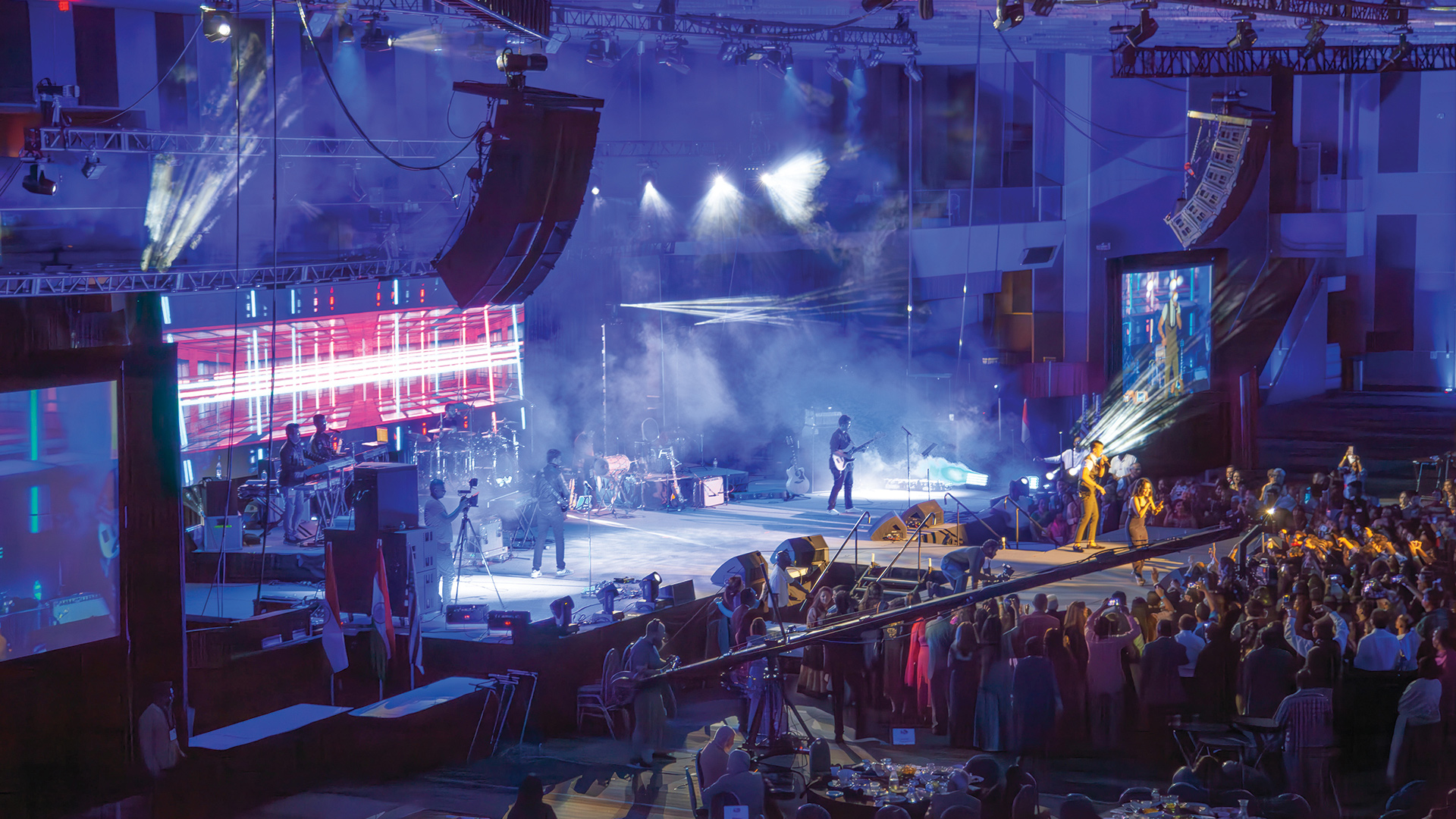
The live events industry built most of its operational protocols in temperate climates. As climate change has pushed extreme heat events into previously moderate zones — 40°C days are no longer unusual in southern Europe, Australia, and the western United States during summer festival season — the production playbook is being rewritten to account for challenges that a decade ago were rare exceptions. Running a major outdoor event in extreme heat is a technical, logistical, and human welfare challenge that touches every department.
Equipment Thermal Management
Professional AV equipment is designed to operate within specified ambient temperature ranges — typically 0°C to 40°C for most touring grade electronics. Above 40°C ambient, cooling fans in amplifiers, LED processors, and lighting fixtures spin at maximum speed, and thermal protection circuits begin to limit output to prevent damage. In sustained extreme heat, amplifiers from Crown, Powersoft, and Lab.gruppen will reduce output by 3-6dB before reaching thermal shutdown — a fact that is invisible to the FOH engineer until the PA system suddenly lacks headroom during a peak moment. Proactive thermal management means derate the audio system’s power expectations by 20% for any show day above 38°C ambient.
LED Wall Performance in Heat
LED walls face a compound thermal problem in extreme heat: ambient temperatures are already elevated before solar radiation on the tile surface adds additional thermal load. A wall in direct afternoon sun in a 42°C environment may have tile surface temperatures approaching 60°C — well above the thermal throttling threshold of most consumer and semi-professional LED products. Only products specifically engineered for outdoor deployment in extreme climates — Absen’s Acclaim Extreme series and Unilumin’s UPad III outdoor range — maintain full brightness specification in these conditions without thermal derating.
Crew Welfare and Heat Illness Prevention
Crew welfare in extreme heat is both a moral and operational priority — an experienced lighting rigger incapacitated by heat exhaustion during load-in creates a safety hazard for everyone on site and cannot be replaced instantaneously. Best practice protocols include mandatory hydration schedules (minimum 500ml per hour for crew members doing physical work), dedicated shaded rest areas with misting fans positioned at strategic points across the site, a production-wide buddy system for monitoring heat illness symptoms, and a qualified first aider with heat illness treatment protocols stationed near heavy labor zones throughout the build day.
Power Systems and Heat
Generator performance degrades in extreme heat because the combustion efficiency of diesel engines decreases as intake air temperature rises, reducing effective power output by approximately 1% per 5°C above the rated ambient temperature. An Aggreko 500kVA generator rated at 25°C delivers approximately 460kVA at 40°C — a 8% derating that must be factored into power planning for summer events in hot climates. Cable trays and distribution boards in direct sunlight also require derating, as excessive ambient heat reduces the current-carrying capacity of conductors and increases the risk of insulation degradation.
Audience Safety Planning
Major outdoor events in extreme heat are among the highest-risk scenarios in public safety event management. Production teams must coordinate with venue medical teams to ensure adequate water distribution points, misting zones, and cooling areas are integrated into the site design. Events including Coachella, Download Festival, and the Melbourne Formula One Grand Prix have developed detailed heat emergency management protocols that have become industry reference documents. Crowd density management in extreme heat is particularly critical — high crowd density inhibits heat dissipation through convection, raising the effective heat load on individuals beyond what air temperature alone would suggest.
