Two consumables, one budget line nobody wanted to defend and a tour that ran on both.
Ask any production manager what holds a show together and you will hear about consoles, processors and rigging. Ask a stagehand at four in the morning and you will hear two words: tape and coffee. This is the story of a regional touring crew that survived a brutal eight-week run on a diet of gaffer tape and espresso, and of the accounting argument that followed.
The Tape That Won a War and Then Joined the Union
The grey roll in every road case has a surprisingly military past. In 1943, a factory worker named Vesta Stoudt, whose sons were serving in the US Navy, suggested a waterproof cloth tape to seal ammunition cases, and the product that emerged from Johnson and Johnson’s Revolite division became known as duct tape. After the war, it migrated to heating ducts and garages.
The entertainment world needed something different: a cloth tape that held firmly but peeled off without leaving residue under hot lights. In 1959, film electrician Ross Lowell reportedly developed a matte, tearable alternative and sold it as gaffer tape. Today, brands such as Pro Gaff, Shurtape, Gaffer Power, Rosco and Le Mark compete for stagehands’ belts, and the difference between gaff and duct tape is a matter of professional honour. Use duct tape on a venue floor and you will meet a very unhappy venue manager.
The Tour
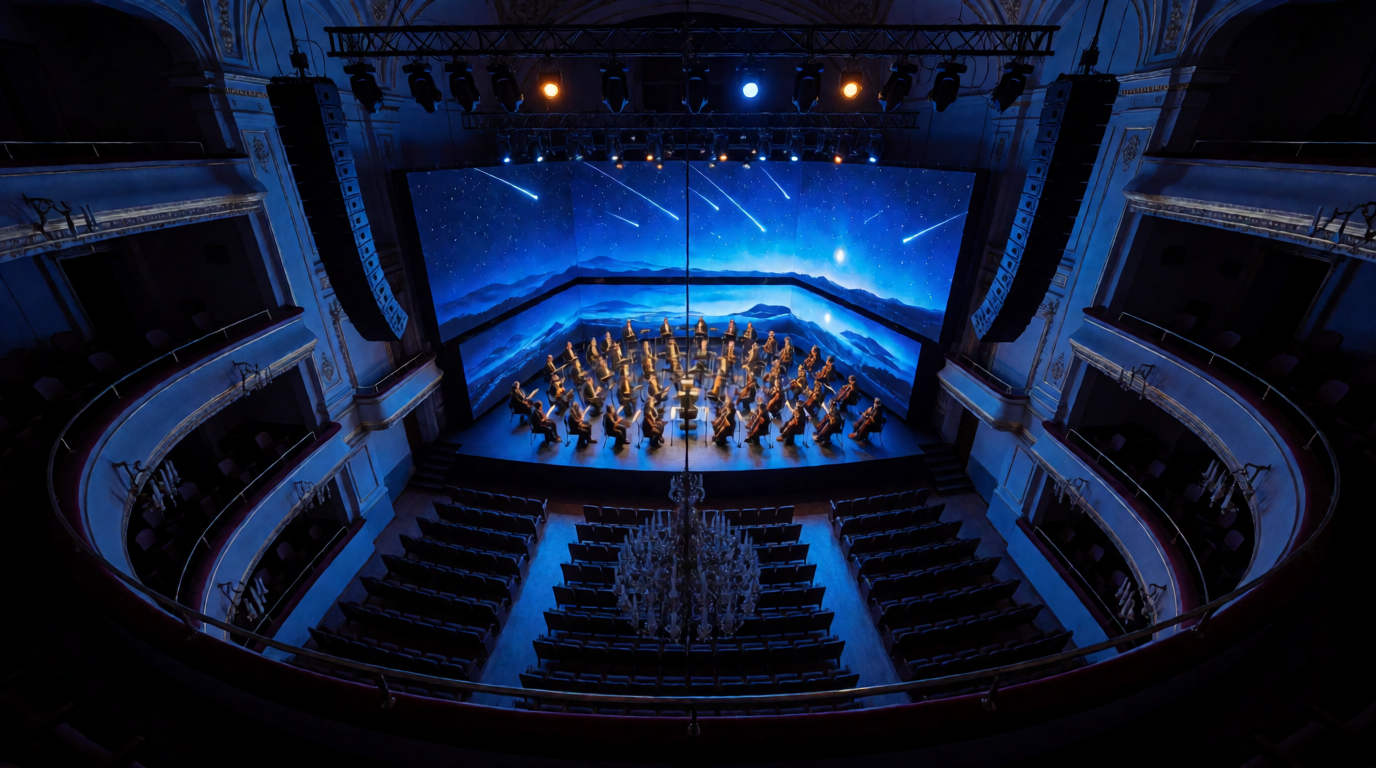
The tour was a twenty-eight-city run for an indie-rock act with a modest budget and a theatrical show: a ROE Visual Black Pearl backdrop, twenty Chauvet Rogue fixtures, a DiGiCo SD9 console and a d&b audiotechnik V-Series PA. The crew numbered nine, travelled on a single bus and carried one truck.
The tour manager, an unflappable woman named Delphine, had built her budget in a spreadsheet. Under “consumables” she had written a small number for tape and left coffee to the catering rider. She would regret both decisions.
The Tape Economy
By week two, the crew had burned through forty rolls of gaffer tape. By week four, the number was a hundred and twenty. Tape disappears invisibly: labelling cases, marking stage positions, securing cable runs, repairing flight cases, fixing a monitor wedge, bundling cables, attaching set lists to the console. A single load-in can consume eight rolls.
Delphine’s mistake was treating tape as trivial. A premium roll of Pro Gaff costs around twenty dollars. A crew of nine going through a hundred and sixty rolls over a tour represents several thousand dollars, a figure that shocked the tour accountant.
- Treat consumables as a real budget line, typically two to three per cent of production costs.
- Buy tape in bulk cases from suppliers like Pro Tapes or Gaffer Power for discounts.
- Stock multiple colours for labelling: white for names, fluorescent for hazards, black for masking.
- Assign a tape czar to control inventory, so rolls do not wander home in stagehands’ pockets.
Spike, Glow and the Language of Colour
Professional crews do not just stick tape; they speak in it. Spike tape, often from Rosco or Pro Tapes, comes in narrow strips of bright colours used to mark stage positions. A white mark means the drum riser, an orange one the singer’s mic stand, a green one the keyboard rig. In the dark, glow tape provides a faint luminous guide for performers and runners.
Delphine insisted on a colour code and printed it on a laminated sheet. Each performer had a colour, each prop had a colour, and each position had a number. Crews that follow the system can reset a stage in ninety seconds. Without it, resets drift into chaos.
The Caffeine Ledger
If tape held the show together physically, coffee held the crew together mentally. On a typical day, the tour consumed a hundred and forty cups. The bus carried a Nespresso Pro machine, a case of pods and a mysterious thermos that nobody admitted to owning. The venues provided a variable mix of drip coffee, instant sachets and, once, a decorative samovar.
Caffeine, taken wisely, improves alertness and reaction time. Taken unwisely, it destroys sleep and amplifies stress. Delphine, who had read widely on shift work, introduced a rule: no coffee after 3 p.m. on days with an early load-in. The rule was unpopular and effective.
She also organised sleep blocks on the bus, with blackout curtains and a quiet policy between midnight and six. Sleep, not caffeine, was the real fuel.
- Provide quality coffee on the rider and backstage; it is cheaper than turnover.
- Offer decaf, herbal tea and electrolyte drinks as alternatives.
- Enforce rest windows for drivers and key technicians.
- Track fatigue with a simple daily check-in on a shared chat.
When Tape Became Engineering
The most dramatic use of tape came on a Thursday night in a mid-sized city. A monitor wedge’s cone cracked during the soundcheck. The spare was in the truck at the other end of town. The monitor engineer, a calm technician named Matteo, taped a layer of gaffer across the crack, then a second layer, and adjusted the EQ to compensate for the changed resonance. The wedge survived the show.
In another city, a LED panel’s alignment pin broke. A rigger fabricated a replacement using aluminium tape, a zip tie and a prayer. The panel stayed in place for the entire tour, a testament to improvisation.
Tape is not a substitute for proper repair. But a crew that knows its properties can bridge the gap between a mishap and a spare.
The Software of Survival
Delphine ran the tour on Master Tour for itineraries, Rentman for gear and a shared Google Sheet for tape and coffee consumption, a humorous document that soon became serious. The sheet recorded each load-in’s tape rolls, coffee pods and meal counts, revealing patterns: the longest days correlated with the highest consumption.
She discovered that the tour’s worst load-ins, those with poor venue access, used twice as much tape and caffeine as others. The data helped her negotiate better venue conditions with promoters, citing the hidden cost of difficult docks.
Business Insights: The Cheapest Line Item Is Not Free
The audit at the end of the tour taught a key lesson: small costs scale. Tape, coffee, batteries, zip ties, cable ties, cleaning supplies and spare fuses add up. A tour that ignores them risks surprise overruns.
Delphine’s company created a consumables kit for each tour size. A small kit, for ten crew members over four weeks, includes eighty rolls of tape, two hundred zip ties, four hundred AA batteries, a hundred pods of coffee and a first aid supply. Clients pay a flat consumables fee, simple and transparent.
They also introduced a well-being line in the budget, covering coffee, snacks, meals and rest. A crew that is fed and rested produces fewer mistakes, and the cost of one avoided error far exceeds the cost of a week’s coffee.
A Brief Hymn to the Humble
Backstage, there is a ritual at the end of every tour: the last roll. The crew gathers around the final partially used roll of gaffer tape and writes a message on its core. The roll is stored in the shop, a quiet memorial to the tour. Delphine’s shelf now holds thirty cores, each with a date, a name and a joke.
One reads: “Held 14 cables, 2 monitors and our sanity.” Another: “Never again.” A third: “Maybe again.”
The Takeaway
A crew that lives on duct tape and caffeine is not poor or reckless. It is resourceful and committed. But sustainable production demands that the unglamorous consumables get respect: budget for them, buy them wisely and protect the people who rely on them. The best crews know that tape sticks the show together, coffee sticks the crew together and both need to be replenished. Hand your stagehand a fresh roll and a warm cup, and watch the whole tour breathe easier.
