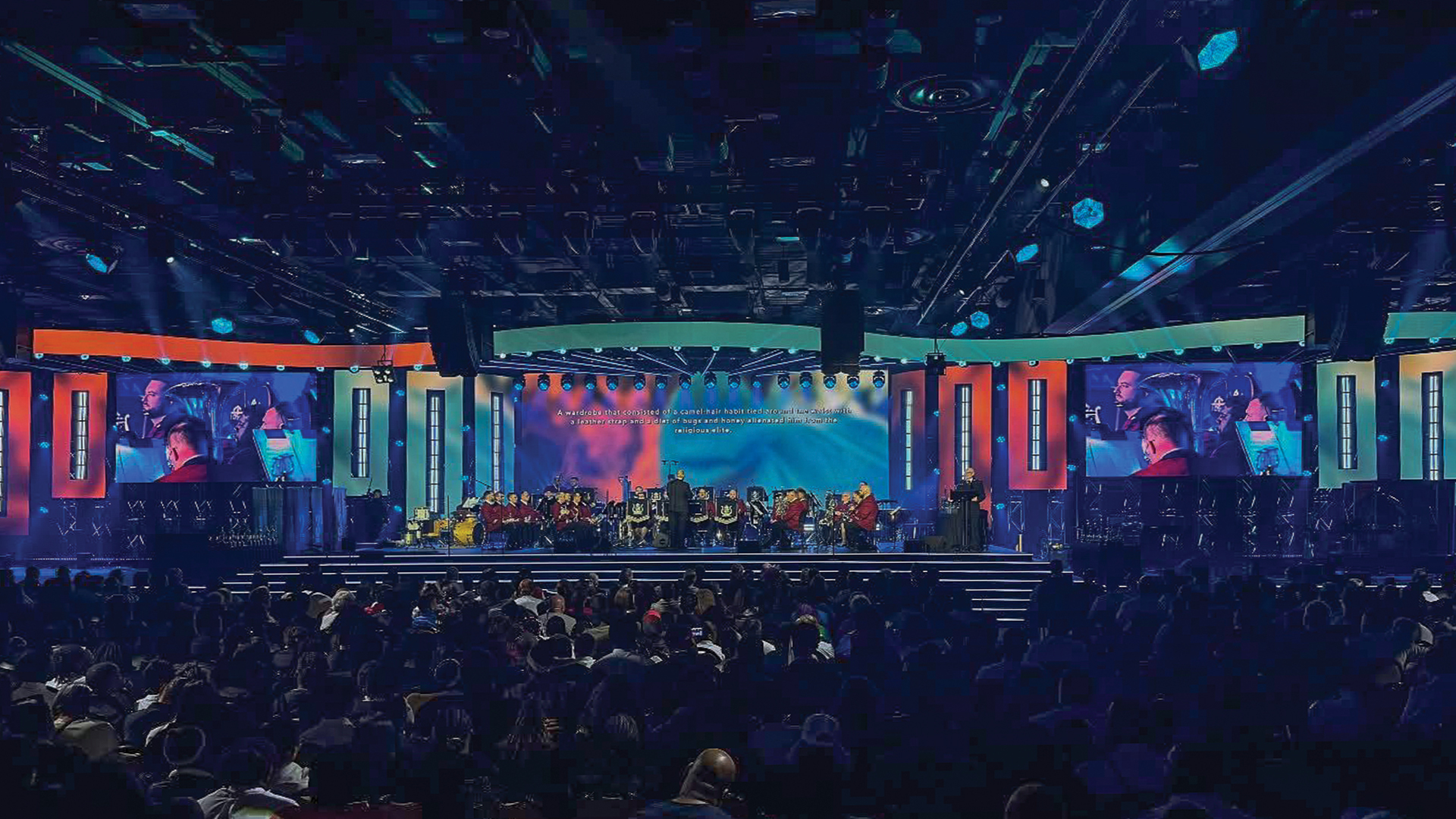
Delay towers stand sentinel throughout festival fields and arena floors, positioned to extend PA system coverage to distant audience sections. These supplementary speaker positions serve essential acoustic functions—yet they occasionally exhibit behaviors suggesting they’d prefer main stage placement over their supporting roles in the middle distance.
The Architecture of Audio Distribution
Modern line array systems like the d&b audiotechnik SL-Series and L-Acoustics K1 deliver remarkable throw distances, but physics imposes limits that no engineering can overcome. Sound pressure drops with distance squared, meaning audiences positioned two hundred meters from main hangs receive sound at a fraction of front-section levels. Delay towers restore appropriate levels while maintaining time alignment with stage sources.
The system technician responsible for delay configuration faces a delicate balancing act. Towers must provide sufficient level to serve their coverage zones without drawing attention to themselves. An overly loud delay tower creates the unsettling sensation that sound originates from somewhere other than the stage—defeating the illusion that all audio emerges from the performers rather than distributed infrastructure.
When Delays Demand the Spotlight
Properly configured delay towers should be acoustically invisible—supporting coverage without announcing their presence. The Meyer Sound Galileo Galaxy processor calculates delay times based on tower positions, ensuring arrival timing matches main system propagation. When these calculations fail—due to incorrect position data, changed venue conditions, or simple human error—towers announce themselves with embarrassing enthusiasm.
The audience member standing beneath a mis-timed delay experiences peculiar acoustic doubling as tower audio arrives milliseconds apart from main system sound. This comb filtering effect creates hollow, phasey audio that draws attention precisely where system designers intended transparency. The tower has announced itself to everyone within its coverage zone, jealously demanding recognition it was never meant to receive.
Level Ambitions
Some delay positions develop level problems that manifest as excessive volume relative to main coverage. A Lake LM44 processor channel configured with incorrect output level, or an amplifier with gain structure issues, can push tower SPL beyond appropriate limits. Suddenly, the delay tower designed to blend seamlessly becomes the dominant audio source for a significant audience section.
Engineers walking the venue during soundcheck listen for these level imbalances, adjusting gains until tower contributions support without overwhelming. The process resembles negotiating with demanding performers—the towers want attention, and the FOH engineer must convince them to accept supporting roles.
The Festival Field Challenge
Large outdoor festival productions deploy multiple delay tower positions across fields that can span several football fields in length. Each tower requires individual timing configuration based on its precise distance from the main stage. The d&b ArrayCalc software predicts these requirements based on site surveys, but ground conditions shift between design phase and show day.
A tower positioned five meters forward of its specified location arrives early to listeners’ ears, creating pre-echo effects that contradict natural physics. Sound seems to travel backward, reaching audiences before visual cues suggest it should. This precedence effect violation disturbs perception in subtle but significant ways, as the brain struggles to reconcile what it hears with what it sees.
Historical Perspectives on Distributed Sound
The concept of distributed speaker systems dates to the earliest days of electronic amplification. The 1939 New York World’s Fair featured a sound system designed by Bell Labs that distributed audio through multiple speaker positions across the fairgrounds. These pioneering engineers discovered problems that contemporary system designers still address—timing, level, and the psychological effects of sound arriving from unexpected directions.
The Grateful Dead’s legendary Wall of Sound from 1974 represented an alternative approach—eliminating delays entirely by creating a massive point-source system that delivered full coverage from the stage position. This radical design required seventy-five tons of equipment and consumed enough power to run a small town. Modern delay systems achieve comparable coverage with dramatically less infrastructure, trading complexity for efficiency.
Subwoofer Separation
Low-frequency content presents particular challenges for delay tower integration. Bass wavelengths stretch across meters rather than centimeters, making precise timing less critical than full-range content. Some system designs intentionally exclude subwoofers from delay positions, relying on main sub arrays for low-frequency coverage throughout the venue.
The JBL VTX A12 system allows flexible configuration where tower positions might include or exclude low-frequency cabinets based on venue-specific requirements. When delays include subwoofers, their timing becomes critical—low frequencies that arrive early create muddy, undefined bass that undermines the entire mix regardless of mid-high quality.
Network Infrastructure Dependencies
Contemporary audio-over-IP systems like Dante and AVB transport audio signals to delay positions through network infrastructure rather than traditional analog cabling. These digital systems provide flexibility and signal quality advantages but introduce network-dependent failure modes. A switch issue at a delay tower position can silence that entire coverage zone without affecting main system operation.
The jealous PA tower might express its frustration through network dropouts that create momentary silences—audio disappearing and reappearing as network connectivity fluctuates. These digital glitches feel different from analog noise, creating clean cuts rather than gradual degradation. The tower either works or doesn’t, with no middle ground that might allow graceful failure.
Rigging and Resonance
Delay towers themselves can develop mechanical resonances that affect audio quality. Temporary structures built for single events might vibrate at frequencies excited by certain program content. A tower that shakes during bass-heavy passages adds physical modulation to the acoustic output—a form of unwanted signal processing that no DSP unit can remove.
Professional rigging companies like Mountain Productions and SGPS engineer delay structures with acoustic performance in mind. The seemingly simple tower becomes a complex engineering challenge balancing structural requirements, ground conditions, wind loading, and vibration isolation. A tower that performs perfectly in calm conditions might develop sympathetic vibrations when wind adds energy to the system.
Teaching Towers Their Place
The most experienced system engineers develop intuition for tower behavior that extends beyond measurement and prediction. They understand that distributed systems require constant attention during performances—conditions change, and towers that behaved during soundcheck might misbehave when crowds absorb acoustic energy differently than empty venues.
Walking the venue during shows, these professionals listen for the telltale signs of tower jealousy: slight localization shifts, frequency response variations, or the indefinable sense that something sounds wrong. They adjust processor parameters in real-time, negotiating with delay positions that seem determined to announce their presence.
The PA towers that develop stage jealousy never truly accept their supporting roles. They require constant management, careful configuration, and vigilant monitoring throughout every performance. In this ongoing negotiation between main system dominance and delay tower ambition, the live sound engineer serves as diplomatic mediator—maintaining peace across distributed audio infrastructure that would prefer to be the star of the show.
