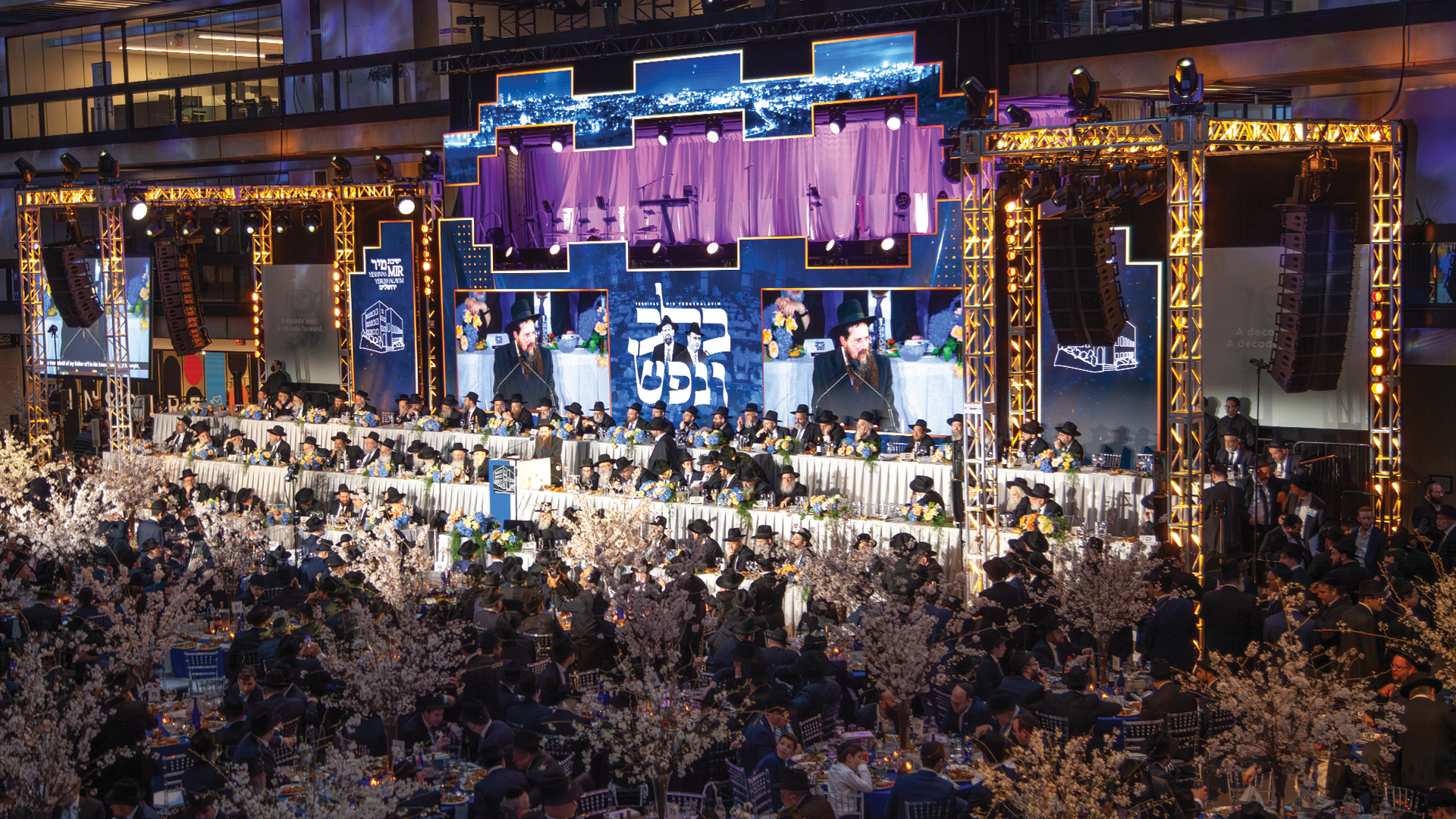
The live event cue stack is built on the assumption that the talent will follow the plan. The live event itself is built on the reality that they frequently won’t. A keynote speaker who decides to improvise an extended Q&A. A performer who drops a verse, repeats a chorus, or stops mid-song to address the audience. A panel moderator who goes 12 minutes over on a discussion that was scripted for 8. These are not exceptional events — they are the standard operating conditions of live production, and the technical team’s ability to manage cue timing when talent departs from the script is the difference between a show that flows seamlessly through its deviations and one that visibly struggles to keep up with what’s happening on stage.
The Cue Caller’s Role in Deviation Management
The show caller or stage manager — the person responsible for calling technical cues during the live show — is the primary point of adaptation when talent goes off script. Their role transitions in these moments from cue execution to real-time show management: tracking where the talent is in their content, predicting where the next scripted cue point will be reached, and communicating the deviation to technical departments before they execute cues based on incorrect assumptions. The skill of traffic control on a live show — managing the gap between where the script says the show is and where the talent has actually taken it — is developed through experience and is the primary reason why experienced show callers command premium rates at major productions. It is not a skill described adequately in any technical specification but is immediately apparent in the first deviation of a live show.
Cue-Based vs. Time-Based Trigger Architecture
The first technical design decision affecting deviation management is whether the show runs on a cue-based trigger architecture or a time-based (timecode) trigger architecture. Timecode-based triggering) — where the grandMA3), media server), and audio playback) all execute cues at pre-programmed timecode addresses — is highly precise and highly brittle in the face of talent deviation. When a performer extends a musical section by 30 seconds, the timecode system fires the next cue 30 seconds early relative to the music, creating a visible and audible misalignment that requires manual intervention to correct. Cue-based triggering) — where the show caller manually fires each cue at the appropriate dramatic moment, with technical departments ready to execute rather than automatically executing — is inherently flexible but places a higher operational burden on the show caller. Most sophisticated productions use a hybrid approach: timecode drives the musical and highly synchronized elements, while the show caller retains manual override authority for the narrative and presenter-driven segments.
Lighting Console Strategies for Off-Script Moments
On the lighting console, the operator’s toolkit for off-script management includes: extended cue timing) — manually slowing the fade time of a transition to buy time while the talent catches up with a scripted beat; hold functions) — pausing a time-based sequence while the talent takes an unscripted detour and then resuming when they return; and scene recall), going directly to a specific cue by number rather than running through the sequence from the current position. On grandMA3), these are managed through the executors), cmd keys), and direct cue recall) functions. On Hog 4), equivalent functionality exists through the master playback section). The operator must know the show well enough to identify which cue number corresponds to which dramatic moment — a knowledge level that requires rehearsal attendance) and show familiarity, not just technical console proficiency.
Video and Media Server Adaptation
Media server operators running Resolume Arena), disguise), or Notch) face a specific challenge when talent deviates: pre-rendered video content is synchronized to a specific runtime. A presenter who expands a 90-second video introduction into a 3-minute verbal detour leaves a content loop decision) for the operator: loop the current content (risking audience recognition of the repetition), advance to neutral content (a branded holding graphic), or hold on the last frame (which works for static content and fails for motion content). Building transition content) into the media server — short, seamlessly loopable branded segments that can be deployed during unscripted pauses — is the pre-production solution that converts potentially awkward deviation moments into polished branded breaks. disguise’s timeline) and Resolume’s clip launcher) both facilitate this flexibility when the server’s content library has been organized with deviation scenarios in mind.
Communication During Live Deviations
The most important tool for managing talent deviation is clear, calm intercom communication). When the show caller recognizes a deviation, the first communication priority is preventing technical departments from executing cues based on the script position rather than the actual show position. A clear ‘hold all cues‘ call — followed by a departure from the script announcement — gives every department a consistent reference point. Productions that train their technical teams to acknowledge hold calls verbally) — rather than assuming the intercom was heard — prevent the situation where one department holds and another continues, creating a mis-synchronized show state that is harder to recover from than the original deviation. The intercom discipline) of a professional crew — how they communicate during deviations — is as much a measure of show quality as the technical systems they operate.
