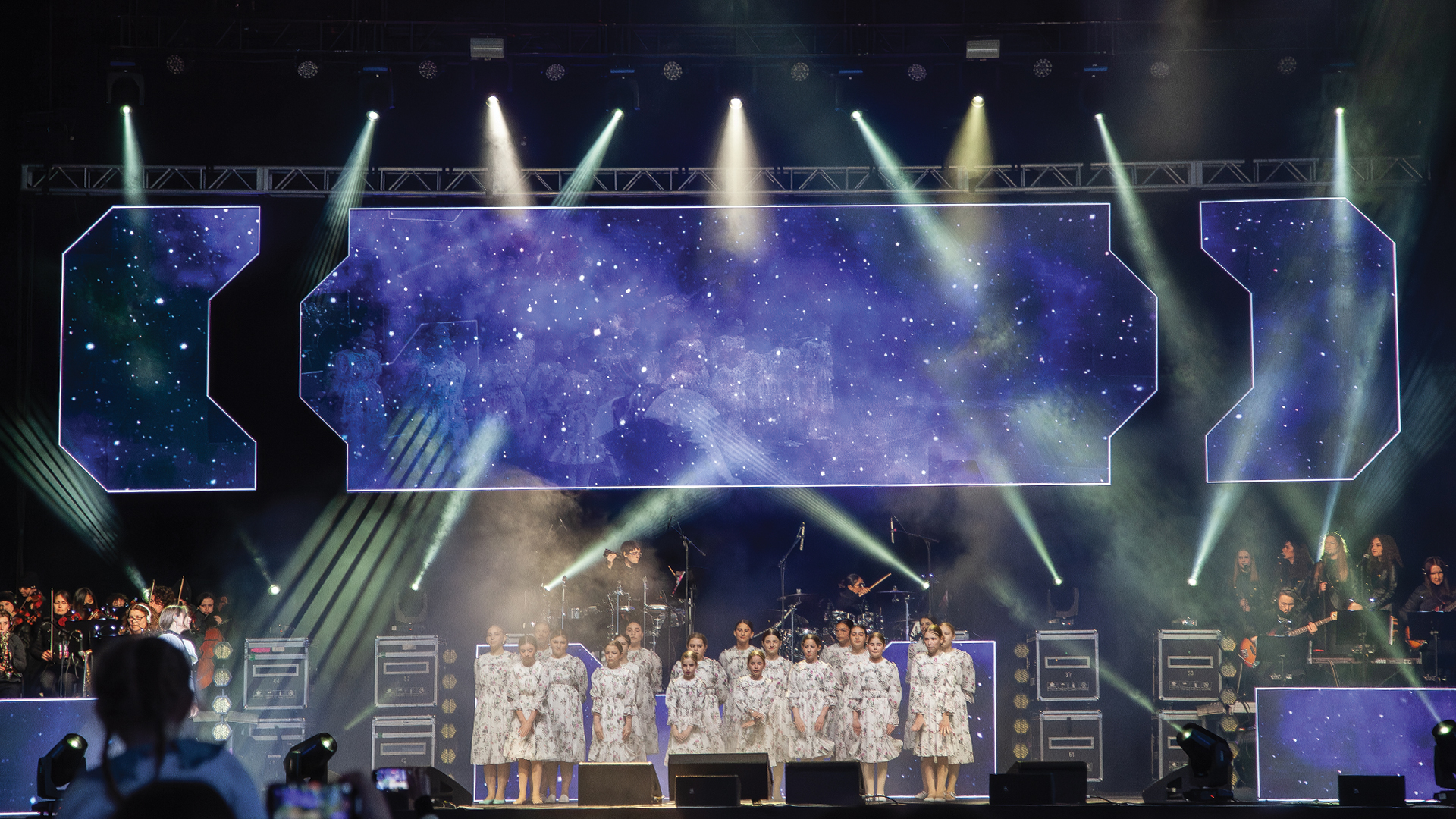
The Art of Light Resistance
When Fixtures Develop Opinions
Robert Juliat Aramis fixtures represent the pinnacle of followspot technology, featuring precision optics and smooth mechanics that operators praise universally. Lycian M2 units offer reliability that has made them standard in theaters worldwide. Strong Super Trouper spotlights have tracked performers for decades with remarkable consistency. Yet even the best equipment sometimes decides that operator intentions are merely suggestions.
The phenomenon of lights ignoring cues is distinct from simple equipment failure. Fixtures that refuse to respond remain otherwise operational. Their lamp sources fire correctly. Their mechanics function smoothly. They simply decline to follow commands, whether issued through DMX signals or manual operation, acting as if possessed by some alternative programming.
The Broadway Mystery
A long-running Broadway production experienced ongoing issues with a specific Lycian 1290 followspot that seemed to have developed preferences. The fixture would track certain performers flawlessly while consistently drifting away from others. No amount of mechanical adjustment resolved the issue. Different operators encountered the same behavior.
The production electrician eventually discovered that the fixture’s pan gear had developed slight irregularities that created different friction zones. When tracking performers who tended to move stage right, the fixture operated normally. When following movement stage left, the increased friction caused subtle lag that accumulated into visible drift. The fixture wasn’t ignoring cues; it was fighting its own mechanics.
This diagnosis came only after months of puzzling behavior and several operator reassignments. The fixture had developed, through wear and environmental exposure, characteristics that made it effectively unique among otherwise identical units.
The Digital Disconnect
Modern automated followspots like the Robert Juliat SpotMe system add layers of technology that create new opportunities for cue resistance. When tracking systems provide position data, media servers calculate beam positions, and moving lights execute the resulting calculations, any component can introduce errors that appear as cue ignoring.
The CAST BlackTrax system and similar real-time location technologies have revolutionized automated following but introduced complexity that can fail in subtle ways. A tracking tag battery running low might provide intermittent data. A receiver positioned poorly might lose sight of performers in certain stage areas. The light seems to ignore cues when actually the cue data simply isn’t reaching it.
Network issues can produce similar effects. Art-Net packets lost in transmission mean commands never arrive. sACN priority conflicts can cause fixtures to respond to unexpected controllers. The lighting desk shows correct states while fixtures display entirely different values.
Human Factors in Light Behavior
Before blaming equipment, production supervisors must consider human factors. Followspot operators work long hours in challenging conditions. Fatigue affects performance, especially during late shows in extended runs. Operators who have successfully executed thousands of cues can suddenly miss basic pickups when concentration lapses.
Communication failures account for many apparent cue-ignoring incidents. When stage managers call cues that operators don’t hear clearly, when intercom systems fail, when ambient noise masks headset audio, the gap between intention and execution widens without any equipment malfunction.
The relationship between lighting designers and operators can also contribute. When designers change cue sequences without adequate rehearsal, when cue sheets don’t match called cues, when verbal instructions conflict with written documentation, operators face impossible choices about which instruction to follow.
The Art of Recovery
Professional productions develop protocols for addressing lights that ignore cues during performances. The first rule is maintaining calm; visible operator distress attracts audience attention that smooth recovery avoids. The second rule is prioritization: what matters most to the current moment, and what can wait.
Backup systems exist precisely for these situations. When a followspot fails to track its target, other fixtures can compensate. Moving lights on automated tracking can provide temporary coverage while operators diagnose problems. The redundancy built into major productions exists because failures are expected, not exceptional.
Post-show analysis follows every incident of apparent cue ignoring. The goal isn’t blame but understanding. What caused the behavior? Was it equipment, communication, human error, or genuine malfunction? How can repetition be prevented? This systematic approach transforms failures into learning opportunities.
Living with Luminous Independence
The production industry has learned that lights will occasionally assert independence. This acceptance doesn’t mean complacency; preventive maintenance, clear communication protocols, and thorough rehearsals all reduce incidents. But complete elimination of unexpected behavior remains impossible in systems as complex as modern theatrical lighting.
Some lighting designers have learned to embrace slight unpredictability as a design element. When identical cues produce slightly different results each night, the lighting gains organic quality that rigid programming lacks. This perspective reframes equipment variability as creative opportunity rather than merely technical problem.
The cues will continue occasionally being ignored. The professionals who work with these fixtures will continue developing strategies for response and recovery. The audience, ideally, will never know anything went wrong. That invisible competence, the ability to maintain seamless performance despite equipment with opinions, defines the production industry at its best.
