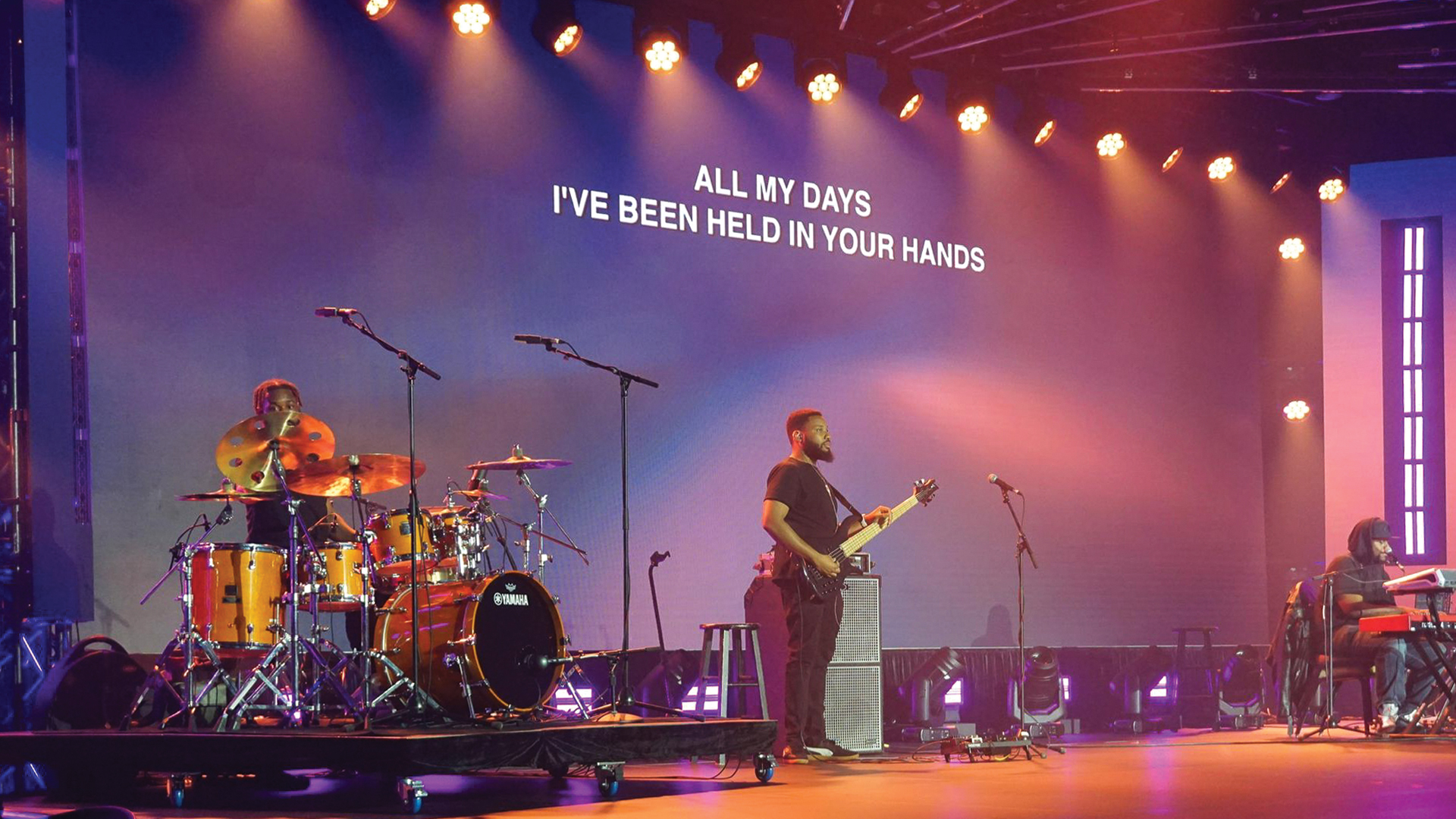
In the world of professional audio production, microphones serve as the faithful transcribers of human expression—capturing every nuance, every whisper, every emotional crescendo. But these sensitive instruments have a dark side: they listen to everything. The history of live event production is littered with moments when microphones captured precisely what they shouldn’t have, transforming professional events into unscripted reality television.
The Physics of Eavesdropping
Understanding why microphones betray us requires understanding how they work. The polar patterns that define microphone behavior—cardioid, supercardioid, hypercardioid, omnidirectional—describe theoretical response curves under controlled conditions. Real-world venues introduce reflective surfaces, air movement, and acoustic anomalies that transform those neat diagrams into chaotic reality.
The Shure SM58, perhaps the most widely deployed vocal microphone in history, features a cardioid pattern designed to reject sound from the sides and rear. Yet experienced A1 audio engineers will tell you that an SM58 positioned near a reflective stage surface can capture conversations happening behind the performer with startling clarity. The sound bounces off the stage floor, arrives at the microphone from the front, and suddenly everyone in the venue knows what the stage manager really thinks about the talent.
The Wireless Revolution and Its Consequences
The adoption of wireless microphone systems in the 1960s and 1970s revolutionized live production while creating entirely new categories of embarrassment. Early systems from manufacturers like Vega and Sennheiser freed performers from cables but introduced the concept of “hot mic” disasters. When a performer forgets their bodypack transmitter is active, every bathroom trip, backstage complaint, and private phone call potentially broadcasts to the entire venue.
Modern systems like the Shure Axient Digital, Sennheiser Digital 6000, and Audio-Technica 5000 Series include sophisticated mute indicators and RF scanning capabilities. However, technology cannot fully protect against human error. A celebrity chef at a major food festival discovered this when his Lectrosonics SMQV transmitter continued broadcasting his colorful critique of a competitor’s cuisine through the venue’s Meyer Sound LEO-M line arrays—a critique that included anatomically creative suggestions about what the competitor could do with their truffle oil.
Conference Room Confessions
Corporate AV integration has created permanent surveillance environments where microphones are embedded in ceilings, tabletops, and even walls. The shift to unified communications platforms accelerated during 2020, installing Shure MXA910 ceiling arrays, Biamp Parlé beamforming microphones, and ClearOne BMA 360 systems in thousands of meeting rooms worldwide. These installations capture audio with remarkable fidelity—sometimes too remarkable.
One Fortune 500 company discovered their newly installed Crestron ceiling microphone pods were sensitive enough to capture hallway conversations through closed doors. The DSP processing in their QSC Q-SYS Core processor was optimized for voice clarity, which meant it faithfully enhanced and transmitted speculation about upcoming layoffs to remote meeting participants. The IT department’s solution—implementing noise gates and acoustic privacy masking—arrived after several careers had already been complicated.
The Lavalier Liability
Lavalier microphones—those tiny capsules clipped near the speaker’s chest—represent peak eavesdropping potential. The Countryman B6, DPA 4060, and Sanken COS-11D are industry standards precisely because they capture intimate vocal detail. That intimacy becomes problematic when presenters forget the lav remains active during breaks.
The broadcast industry has developed extensive protocols around lavalier management. Networks employ dedicated audio utility technicians whose responsibilities include monitoring talent microphones during commercial breaks. The industry term “talent wrangle” refers to the delicate process of reminding on-air personalities that their microphones are still live. Despite these precautions, compilation videos of hot mic moments from major news networks continue accumulating, providing eternal proof that no system can fully protect against distracted humans.
Theater’s Intimate Betrayals
Theatrical productions present unique audio challenges. Broadway and West End shows deploy DPA d:fine headset microphones or hidden element microphones in wigs and costumes, creating systems where performers wear active audio capture throughout three-hour performances. The audio mixing console—often a DiGiCo SD7 or Yamaha RIVAGE PM7—becomes the gatekeeper between performer comments and audience ears.
A legendary incident from a major touring production involved a performer whose Sennheiser SK 5212 bodypack remained in “always on” mode due to a programming error. During a scene change, the performer provided detailed romantic advice to a chorus member—advice involving the romantic prospect’s alleged shortcomings in multiple categories. The A2 audio technician caught the broadcast seconds before the main mix operator pulled up the fader, but not before the entire monitor engineer’s headphone feed had provided full entertainment.
Technical Solutions and Human Limitations
The AV industry has developed multiple technological approaches to preventing unwanted audio capture. Modern digital mixing consoles include scene-based muting, allowing operators to automatically mute channels during scene changes. Dante audio networking from Audinate enables sophisticated routing that can isolate microphone feeds from unintended destinations. The Shure AD610 Diversity ShowLink Access Point provides remote muting capability, allowing technicians to disable transmitters from anywhere in the venue.
Software solutions have also evolved. Wireless Workbench from Shure provides real-time visualization of all wireless channels, including transmission status. Sennheiser’s WSM (Wireless Systems Manager) offers similar capabilities for their ecosystem. These tools give RF coordinators unprecedented visibility into system status, theoretically preventing hot mic situations before they occur.
Yet technology cannot overcome fundamental human psychology. Performers under stress revert to comfortable behaviors, and removing a microphone pack rarely registers as a priority during high-stakes moments. The solution combines technical safeguards with cultural practice: constant reminder protocols, mute switches positioned for easy access, and team members designated specifically for talent microphone monitoring.
Best Practices for Audio Discretion
Professional audio engineers develop systematic approaches to protecting their clients—and themselves—from microphone indiscretion. The first principle: assume every microphone is live, always. This mindset prevents the casual comment that becomes the viral video. Second, implement physical mute indicators—colored tape, LED status lights, anything that provides instant visual confirmation of microphone state.
Position stage managers as microphone advocates, responsible for communicating mic status to talent. Program console scene changes to default to muted states during transitions. Use PFL (Pre-Fader Listen) monitoring to verify what each microphone captures before bringing it into the mix. And perhaps most importantly, cultivate relationships where talent trusts that the audio team has their back—trust that encourages performers to ask “Am I hot?” rather than assuming they know the answer.
The Eternal Vigilance of Audio
Every microphone is a journalist without ethics, capturing everything within range without judgment or discretion. The live production environment demands constant awareness that audio capture extends beyond intended content. Whether you’re running a Midas Heritage D console for a stadium tour or a Behringer X32 for a corporate breakfast, the principles remain identical: monitor constantly, mute proactively, and never underestimate a microphone’s capacity to capture exactly the wrong moment.
The secrets microphones reveal often say more about production culture than technology. Organizations where hot mic incidents become disasters typically have deeper communication problems. The microphone simply exposed what already existed. Perhaps the ultimate lesson from decades of unwanted audio capture is this: the best defense against microphone indiscretion isn’t better equipment or smarter software. It’s creating environments where the worst thing captured is still something you’d be willing to defend.
